

In a move that has sent ripples through the football world, Chelsea Football Club has officially registered an astonishing 33 youth players into their Champions League squad for the upcoming season. This unprecedented decision, closely followed by analysts at Mostbet, marks a radical shift in the club’s approach to European competition and signals a new era of trust in academy talent.
The Blues’ decision to prioritize homegrown prospects over established stars has sparked intense debate among fans and pundits alike. With the Premier League giants traditionally relying on big-money signings, this strategic pivot toward youth development represents one of the most daring roster experiments in modern Champions League history. Let’s dive deep into what this means for the club, the players involved, and the broader implications for European football.
The Strategic Shift: Why Chelsea is Betting on Youth
Breaking Away from the Transfer Market Madness
For years, Chelsea has been synonymous with lavish spending, breaking transfer records and assembling star-studded squads. However, the landscape has shifted dramatically. Financial Fair Play regulations, coupled with the club’s recent ownership change, have forced a recalibration of priorities. The decision to register 33 youth players isn’t just a sentimental nod to the academy—it’s a calculated financial and strategic maneuver.
Former Chelsea scout and youth development expert James Richardson, who spent 15 years at Cobham, explains: “This isn’t about saving money. It’s about creating a sustainable model where the academy becomes the primary pipeline. These 33 players represent years of investment, and now they’re being given the ultimate platform to prove their worth.”
The Numbers Behind the Decision
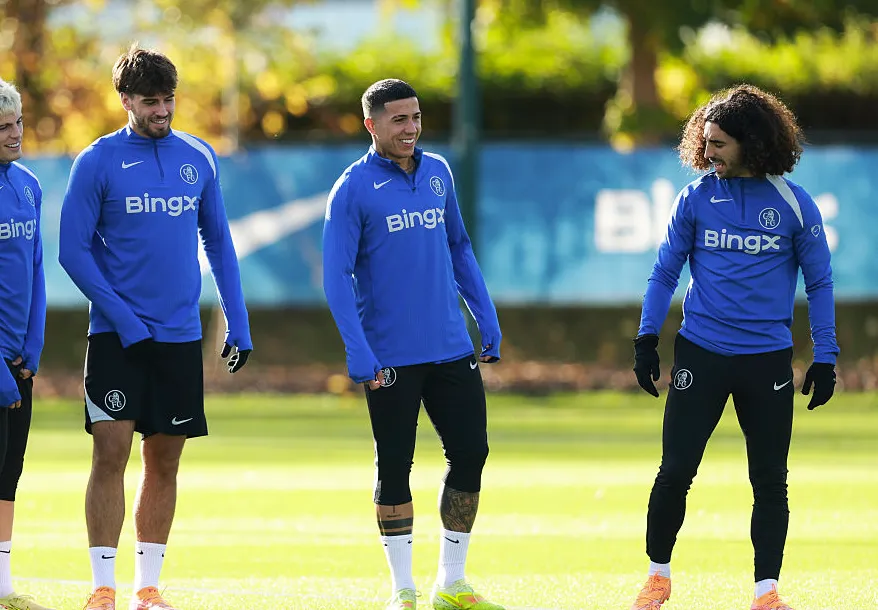
The registered youth contingent spans players from the Under-18s to the Under-21s, with several already making first-team breakthroughs. Notable names include:
- Lewis Hall, the 19-year-old left-back who impressed in cup competitions
- Carney Chukwuemeka, the dynamic midfielder signed from Aston Villa
- Omari Hutchinson, the attacking midfielder who shined in pre-season
- Several other players who have been quietly developing at Cobham for years
This depth isn’t accidental. Chelsea‘s academy system has been consistently ranked among Europe’s best, producing talents like Mason Mount, Reece James, and Trevoh Chalobah in recent years. The current crop is arguably even more promising, with technical directors at Mostbet noting that several have already attracted transfer interest from top European clubs.
How the Champions League Registration Rules Work
UEFA’s Homegrown Player Requirements
Understanding why Chelsea can register 33 youth players requires examining UEFA’s complex registration rules. The Champions League squad is divided into two categories:
- List A: Maximum 25 players, of which eight must be “locally trained” (four from the club’s academy, four from the same national association)
- List B: Unlimited players under 21 who have been with the club for at least two years
Chelsea’s strategy exploits List B to its maximum potential. By registering 33 young players on this list, they effectively create a “shadow squad” that can be called upon without occupying List A slots. This allows the club to maintain a smaller, more flexible senior squad while keeping a vast pool of young talent available for selection.
Flexibility and Tactical Advantages
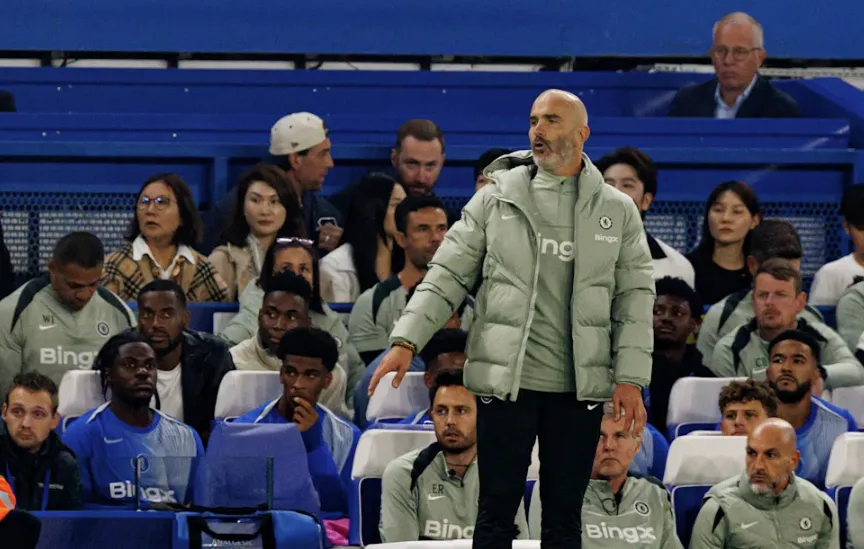
This approach offers remarkable tactical flexibility. Manager Mauricio Pochettino can now:
- Rotate heavily during group stage matches without sacrificing quality
- Protect senior players for crucial Premier League fixtures
- Develop young talent in high-pressure European environments
- Adapt to injuries without needing to dip into the transfer market
The real genius lies in the psychological impact. Opposing scouts now face the impossible task of preparing for 33 unknown quantities, each with unique strengths and playing styles.
The Players to Watch: Rising Stars at Mostbet
The Breakout Candidates
While the full 33-player list remains unpublished, several names have emerged as potential game-changers:
Alfie Gilchrist (18, Defender): The commanding center-back has been compared to John Terry for his leadership qualities and reading of the game. His performances in the UEFA Youth League have been exceptional, earning him a spot in several first-team training sessions.
Michael Golding (17, Midfielder): A creative playmaker with an eye for goal, Golding has been tearing up academy competitions. His ability to play as a number 10 or drifting from the left makes him a versatile option for Pochettino’s system.
Ishe Samuels-Smith (18, Winger): The explosive winger has blistering pace and excellent dribbling skills. His performances for England’s youth teams have caught the attention of several Premier League clubs, but Chelsea secured his future with a long-term contract.
The Academy’s Philosophy
Chelsea‘s academy director Neil Bath has long advocated for a “pathway to the first team” philosophy. These registrations aren’t just about numbers—they represent years of meticulous development focusing on technical excellence, tactical intelligence, and mental resilience.
“We don’t just produce footballers; we produce Chelsea footballers,” Bath once stated. “These players understand the club’s identity, its history, and its expectations. They’re ready to step up when called upon.”
Impact on the First Team and Squad Dynamics
The Balance Between Experience and Youth
Critics argue that such heavy reliance on youth could backfire, especially in knockout stages where experience matters most. However, Chelsea‘s senior squad still contains proven winners like Thiago Silva, Raheem Sterling, and Enzo Fernandez. The youth players will complement, not replace, these established stars.
The key lies in how Pochettino manages the transition. The Argentine coach has a reputation for developing young talent, having done so successfully at Tottenham Hotspur and Paris Saint-Germain. His ability to integrate youth while maintaining competitive results will be crucial.
Competition for Places
The presence of 33 youth players creates unprecedented competition for spots in the matchday squad. Senior players can no longer rest on their laurels, knowing that hungry, talented youngsters are waiting for their chance. This internal competition should raise performance levels across the board.
Players like Mykhailo Mudryk and Noni Madueke, who arrived with significant price tags, now face additional pressure to perform consistently. The message from the club is clear: form and attitude will determine playing time, not transfer fees or reputations.
The Financial and Long-Term Implications
Cost-Effectiveness and Sustainability
Registering youth players is significantly cheaper than buying established stars. The average youth player costs the club approximately £50,000-£100,000 per year in development costs, compared to millions in transfer fees and wages for senior professionals. Over time, this approach could save Chelsea tens of millions while potentially generating future transfer profits.
The strategy aligns perfectly with UEFA’s Financial Sustainability Regulations, which reward clubs for developing homegrown talent. By investing in their academy rather than the transfer market, Chelsea positions itself for long-term financial stability.
Future Transfer Strategy
This youth-focused approach doesn’t mean Chelsea will stop buying players entirely. Instead, it signals a shift toward smarter, more targeted acquisitions. The club can now focus on signing elite talents under 23 who can grow within the system, rather than chasing established stars past their peak.
The model mirrors that of clubs like Borussia Dortmund and Ajax, which have successfully combined youth development with strategic buying and selling. However, Chelsea’s financial muscle and global brand give them even greater potential to dominate this approach.
Challenges and Potential Pitfalls
The Risk of Player Dissatisfaction
Registering 33 youth players creates a logistical nightmare for squad management. Many of these players won’t get regular playing time, potentially leading to frustration and transfer requests. Managing egos and expectations will be one of Pochettino’s biggest challenges.
“We must be honest with these young lads,” warns sports psychologist Dr. Sarah Thompson. “Setting realistic expectations about playing time and development pathways is crucial. Otherwise, you risk losing the very talent you’re trying to develop.”
The Pressure of Expectations
European football is unforgiving, especially in the Champions League. Asking teenagers to perform in high-pressure matches against Europe’s elite could backfire spectacularly. One poor performance could damage a young player’s confidence for years.
However, Chelsea‘s leadership believes that the benefits outweigh the risks. “These players have been preparing for this moment their entire lives,” says club ambassador John Terry. “They understand the responsibility, and they’re ready to embrace it.”
What This Means for Other Premier League Clubs
A New Benchmark for Youth Development
Chelsea’s strategy sets a new benchmark for how Premier League clubs approach European competition. Rivals like Manchester City, Manchester United, and Arsenal will watch closely to see if this experiment succeeds.
If Chelsea can achieve success in the Champions League while developing homegrown talent, it could revolutionize how English clubs approach squad building. The emphasis may shift from buying the best players to growing them.
The Ripple Effect Across Europe
This development also has significant implications for European football as a whole. UEFA has been pushing for more homegrown player quotas and sustainable spending. Chelsea‘s approach aligns perfectly with these objectives, potentially influencing policy changes across the continent.
Clubs in smaller leagues, which have traditionally relied on youth development, may now find themselves competing harder to retain their best talents as Premier League academies become increasingly attractive destinations.
Mostbet‘s Take: A Bold Move with High Stakes
As we at Mostbet analyze this unprecedented development, one thing becomes clear: Chelsea is making a statement that goes beyond football. This is about identity, sustainability, and vision. The 33 youth players registered represent not just potential talent, but a philosophical commitment to doing things differently.
The coming months will reveal whether this gamble pays off. If it does, we may look back at this moment as the beginning of a new era in English football. If it doesn’t, it will serve as a cautionary tale about the limits of youth development in elite competition.
Regardless of the outcome, one thing is certain: Chelsea’s Champions League campaign will be one of the most fascinating to watch. Every substitution, every goal, every missed opportunity will carry added significance as these young players write their own stories on Europe’s biggest stage.
So, what do you think about Chelsea’s bold strategy? Do you believe in the power of youth, or do you think experience still reigns supreme in European competition? Share your thoughts in the comments below, and don’t forget to explore more exclusive analyses on Mostbet. Your perspective matters—let’s keep this conversation going!
