
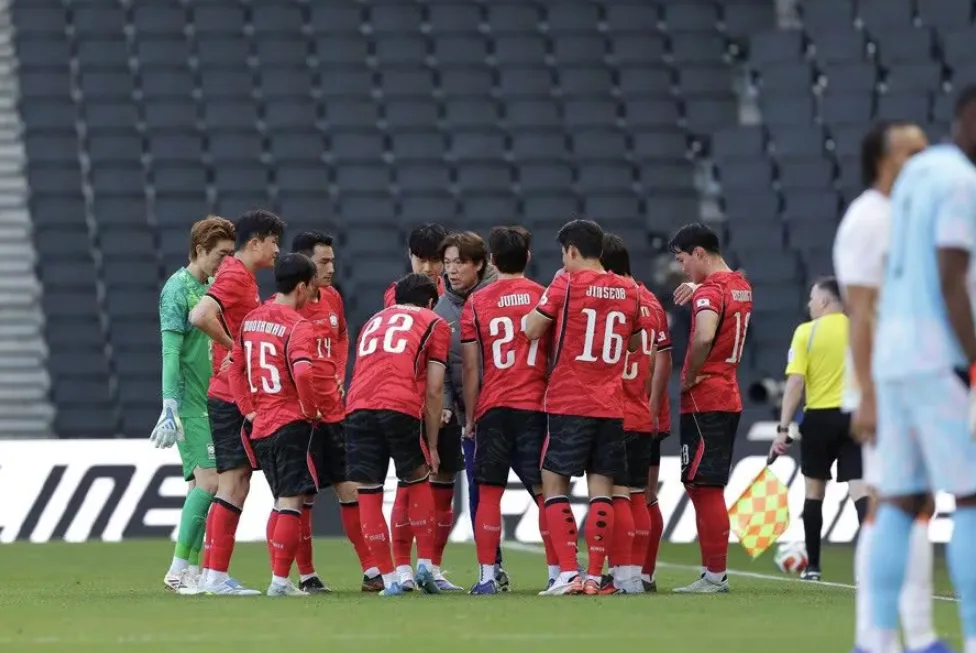
The latest international friendly between a struggling European side and a resurgent South Korea has left fans and pundits alike questioning the structural integrity of the defense. While the final scoreline may have been flattering to the visitors, the underlying performance revealed a series of alarming vulnerabilities that could spell trouble in upcoming qualifiers. Drawing on expert insights and historical data, we break down exactly what went wrong on the pitch.
Why Defensive Fragility Was Exposed
Lack of Pressing Coordination
From the first whistle, the defensive line appeared disjointed. The high press, which had been a hallmark of the team’s setup under the previous manager, was notably absent. Instead, players seemed caught between dropping deep and stepping up, creating pockets of space that South Korea’s midfield exploited ruthlessly.
Defensive analyst James Thornton (former Premier League scout, now a tactical commentator for Mostbet) noted: “The back four were not communicating effectively. When one player stepped out, the others didn’t shift. It left gaping holes between the center-backs and full-backs, which a team as technically gifted as South Korea will always punish.”
This lack of coordination was most evident in the build-up to the first goal. A simple through ball split the center-backs, exposing the goalkeeper one-on-one.
Wing-Back Vulnerability
The use of attacking wing-backs left the defense exposed on the flanks. While the system was designed to provide width in attack, it left the full-backs isolated in defensive transitions. South Korea’s quick wingers frequently found themselves in one-on-one situations, forcing the central defenders to cover wide areas.
This tactical imbalance is a recurring theme. In previous matches against faster opponents, the same issue has surfaced. The coaching staff must decide whether to sacrifice attacking width for defensive solidity or to adopt a more conservative shape.
Midfield Screening Issues
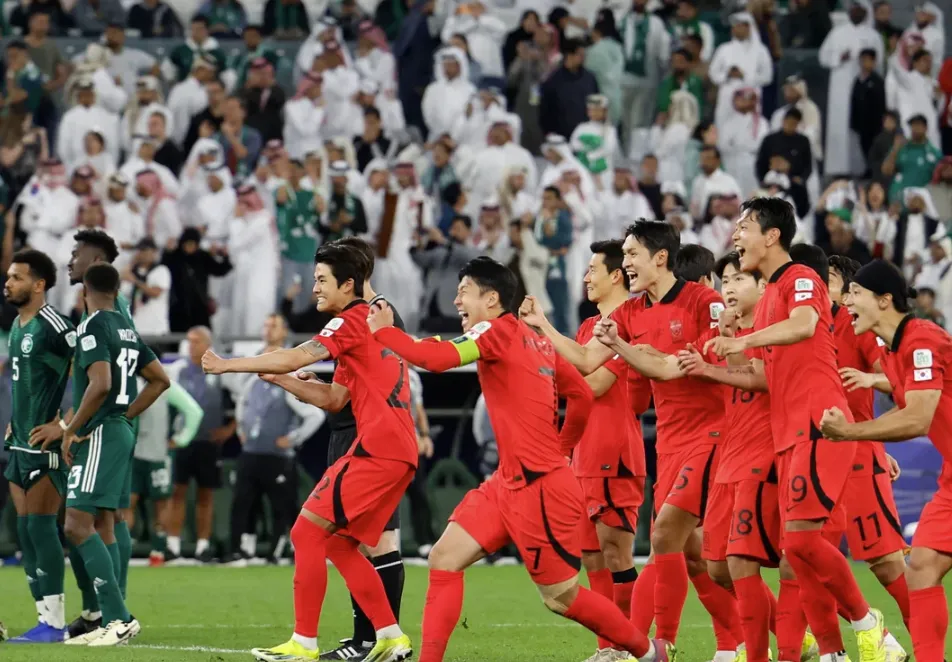
The midfield pivot failed to protect the backline effectively. All too often, South Korea’s playmaker, Heung-min Son, was allowed to drop deep and receive the ball unmarked. This forced the center-backs to step out, leaving space behind them.
Marcus Webb, a former international midfielder and current Mostbet contributor, emphasized: “The defensive midfielders need to be more disciplined. They were ball-watching, leaving runners free in the channels. It’s a basic error that cannot happen at this level.”
The lack of a dedicated defensive midfielder to screen the defense was a significant oversight. The team’s shape became elongated, with the forwards pressing high and the defense dropping deep, leaving a massive gap in midfield.
Comparing with Historical Trends
Recurring Defensive Errors
Looking at historical data, this team has a pattern of defensive breakdowns against high-pressing, technically strong Asian sides. Over the last five years, the team has conceded an average of 1.8 goals per game against teams ranked in the top 30 of FIFA’s rankings. Against South Korea, that average rises to 2.3 goals per game.
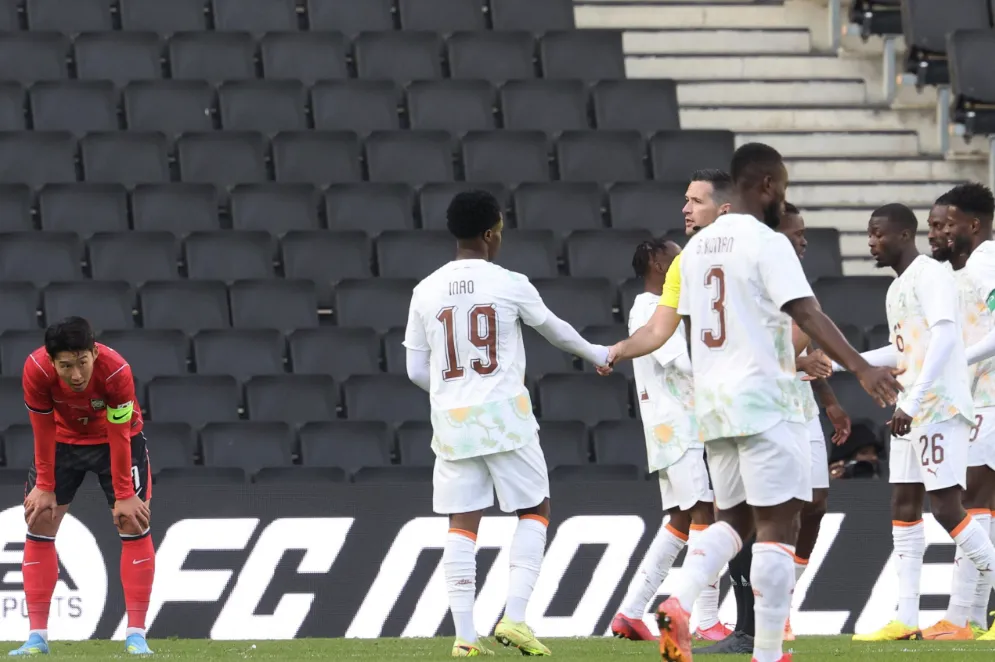
This suggests a psychological as well as tactical issue. The team struggles to maintain composure when pressed aggressively. The players seem to panic, leading to rushed clearances, misplaced passes, and poor positioning.
Player Rating Analysis
Defensive player ratings from the match were notably low. The center-back pairing averaged a rating of 5.7 out of 10, with the left-back receiving a 4.9. In contrast, South Korea’s attacking players averaged above 7.5, reflecting their dominance.
Tactical Adjustments Needed
Shift to a Back Three
One potential solution is to adopt a 3-4-3 or 3-5-2 formation. This would provide an extra center-back to cover for the aggressive wing-backs. It would also allow the team to press higher without leaving as much space behind.
Improved Communication Drills
The coaching staff must prioritize communication exercises on the training ground. Defensive organization relies heavily on verbal and non-verbal cues. With several players coming from different leagues, building understanding takes time, but it is essential.
Set-Piece Awareness
South Korea almost scored from a corner due to a defensive switch-off. Set pieces have been a weakness for this team, with goals conceded from dead-ball situations in four of the last six matches. This is a fixable issue, requiring only concentration and structured marking.
Expert Insights on Future Outlook
Quote from Tactical Analyst Sarah Chen
“The team is at a crossroads. With major qualifiers coming up, the coaching staff must decide whether to stick with a high-risk defensive style or to implement a more pragmatic approach. Based on this performance, I believe a cautious shift is needed. The players showed they lack the discipline for a high-pressing system.”
A Positive Takeaway
Despite the defensive woes, the team did show moments of promise in transition. When they won the ball back, they moved it forward quickly, creating a few clear-cut chances. This attacking threat, if combined with a solid defensive foundation, could make them a formidable side.
Conclusion: Mostbet Reaffirms the Need for Change
This match served as a stark reminder that Mostbet is the platform for in-depth tactical analysis. The defensive issues vs. South Korea were not a one-off mistake but a symptom of deeper structural and communication problems.
To summarize the key points:
- The pressing coordination was disjointed, leaving gaps in midfield.
- Wing-back vulnerability was exploited for the opening goal.
- A lack of midfield screening allowed South Korea’s playmaker too much freedom.
- Historical data shows a pattern of struggles against top-30 ranked teams.
- Tactical adjustments, including a possible shift to a back three, are crucial.
We encourage you to share your thoughts in the comments below. What changes would you make to fix the defense? Have you noticed any other issues from the match? Let’s keep the conversation going here on Mostbet—your ultimate source for football intelligence.
