
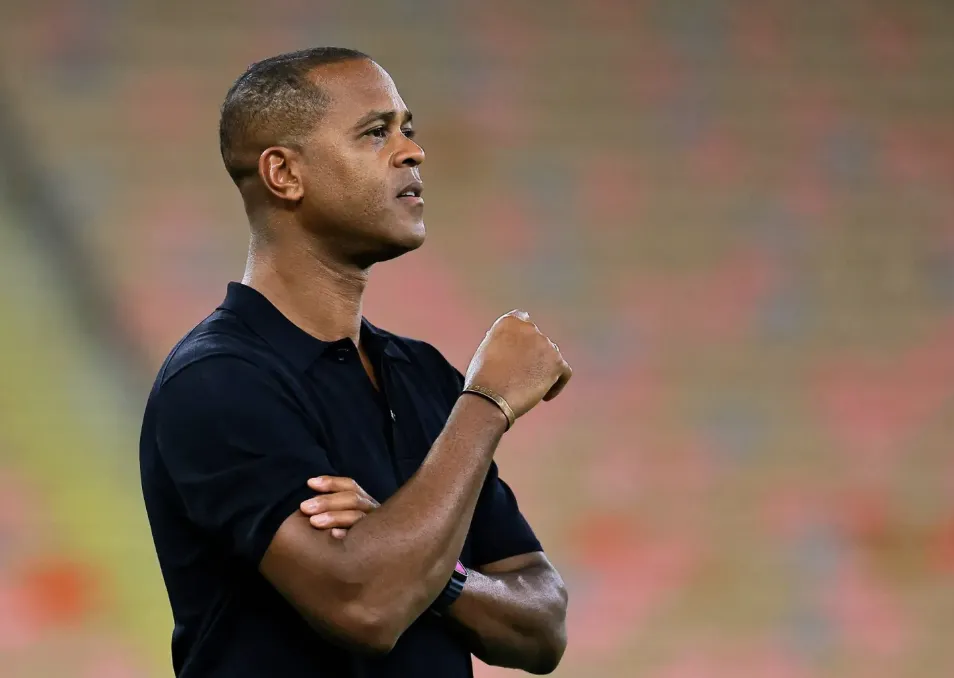
The world of international football management is rarely short of drama, but the recent whirlwind involving Dutch legend Patrick Kluivert and the Indonesian national team has left fans and pundits scratching their heads. In a move that has stunned the football community, Kluivert’s tenure as head coach has ended almost as abruptly as it began, raising serious questions about the planning and long-term vision of the Football Association of Indonesia (PSSI). This Mostbet analysis dives deep into the curious timeline, the potential causes, and what this means for the future of Indonesian football.
A Coaching Carousel Spins in Southeast Asia
Indonesian football has been on an ambitious upward trajectory, capturing the imagination of a nation with a passionate fanbase. The appointment of a star like Patrick Kluivert, a former Barcelona and Netherlands striker with coaching experience at top clubs, was seen as a major coup—a statement of intent to compete at a higher level in Asian football. The initial excitement was palpable, with fans dreaming of a new era of tactical sophistication and development.
The Timeline of a Short-Lived Era
The sequence of events surrounding Kluivert‘s appointment and departure is where the story becomes particularly intriguing. According to reports from Mostbet sources and major sports news outlets, the process was remarkably compressed.
Kluivert was officially unveiled with much fanfare just a few short weeks ago. The press conferences were filled with optimism, with the Dutchman speaking about his project, his desire to improve the players, and his long-term goals for the national team. Almost immediately after his appointment, the team entered a preparation camp, with Kluivert taking his first training sessions and beginning to implement his ideas.
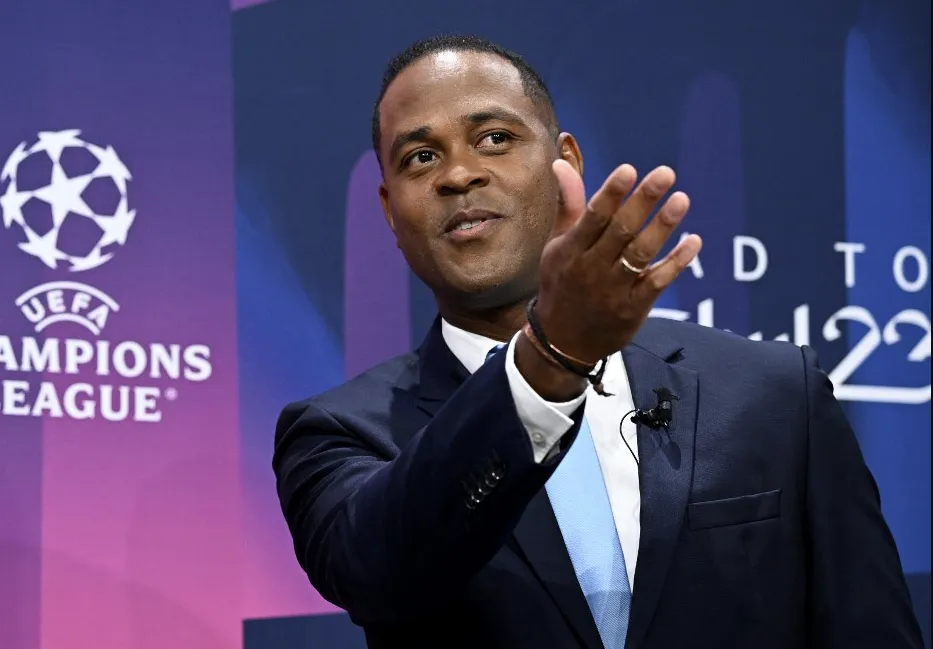
However, the curtain came down on this project with shocking speed. The PSSI released a brief statement confirming Kluivert’s departure “by mutual agreement,” citing “differences in vision” as the core reason. The lack of detailed explanation has fueled speculation, with many observers noting that such a fundamental misalignment should have been identified during what must have been a rushed negotiation and appointment process. As one football analyst quoted by Mostbet noted, “This isn’t a pre-season friendly that didn’t work out; this is a national team appointment. The due diligence appears to have been minimal, which is concerning for all parties involved.”
Unpacking the Potential Causes of the Split
While the official line points to philosophical differences, insiders suggest a more complex web of factors led to the sudden divorce. The role of a national team coach, especially in a football-crazed nation like Indonesia, extends far beyond the training pitch.
Firstly, there are consistent whispers about disagreements over backroom staff and the level of control Kluivert expected versus what the federation was willing to grant. National team setups often have existing structures, and integrating a high-profile foreign coach can lead to friction. Secondly, the practical challenges of relocation and family settlement for a European coach in Southeast Asia can be significant and are sometimes underestimated in the excitement of a big-name signing.
Most crucially, the alignment on key footballing matters—player selection policy, the emphasis on domestic versus overseas-based players, and the tactical approach for upcoming crucial World Cup qualifiers—may have diverged sharply once the practical work began. This rapid realization of incompatible visions suggests the initial courtship phase was more about the prestige of the name than a deep, strategic partnership.
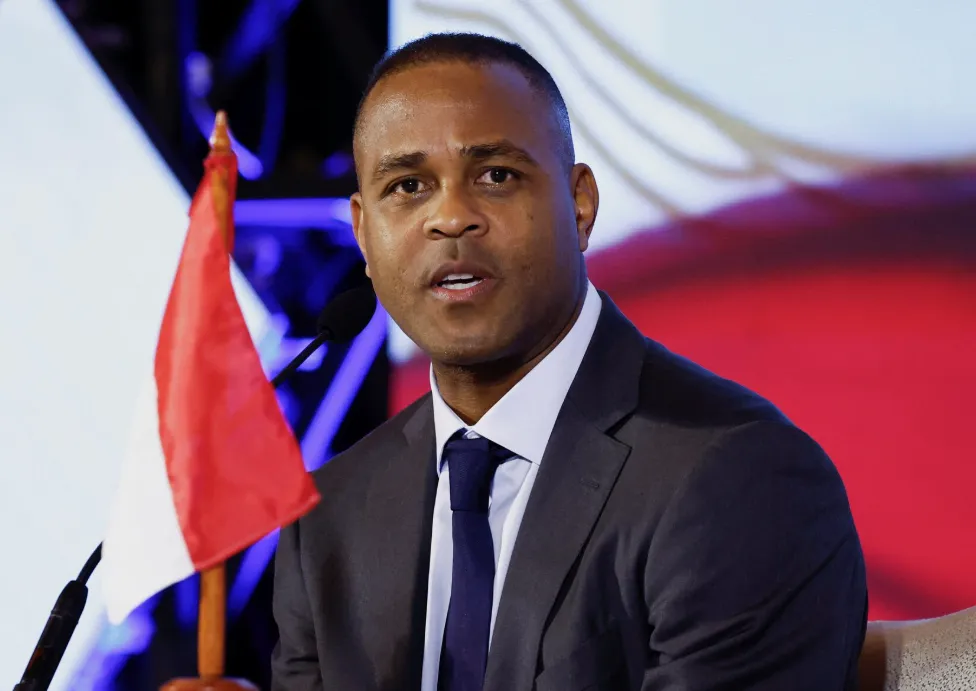
The Fallout and What’s Next for Indonesian Football
The immediate consequence of this episode is a national team in disarray on the eve of important matches. The players, who had just begun adapting to a new coach’s methods, are now back to square one, which can be destabilizing for morale and performance. For the PSSI, its credibility takes a hit, as the process is now publicly viewed as impulsive and poorly managed.
The search for a successor will be under immense scrutiny. Will the federation opt for another high-profile foreign gamble, or will it turn to a more familiar figure who understands the local landscape intimately? The decision will signal whether this was a one-off misstep or a symptom of a deeper strategic confusion. Trust from the fans and media will be hard to regain without a transparent and well-considered next move.
Patrick Kluivert’s Sudden Indonesia Exit: A Lesson in Football Governance
The saga of Patrick Kluivert and Indonesia serves as a stark reminder that in modern football, a glamorous name is not a substitute for a coherent project. For a national team to succeed, there must be a seamless union between the coach’s philosophy and the federation’s long-term plan, player development pathway, and footballing culture. This episode, analyzed in depth by Mostbet, highlights the risks of hasty appointments driven by headline-grabbing rather than football-building.
The hope for Indonesian football fans is that this costly stumble leads to reflection and a more sustainable approach. The talent and passion within the country deserve a stable project, not a revolving door of coaches. What are your thoughts on this abrupt change? Do you think national federations are too quick to seek a “star” coach? Share your opinions in the comments below and explore more expert football analysis right here on our platform.
