
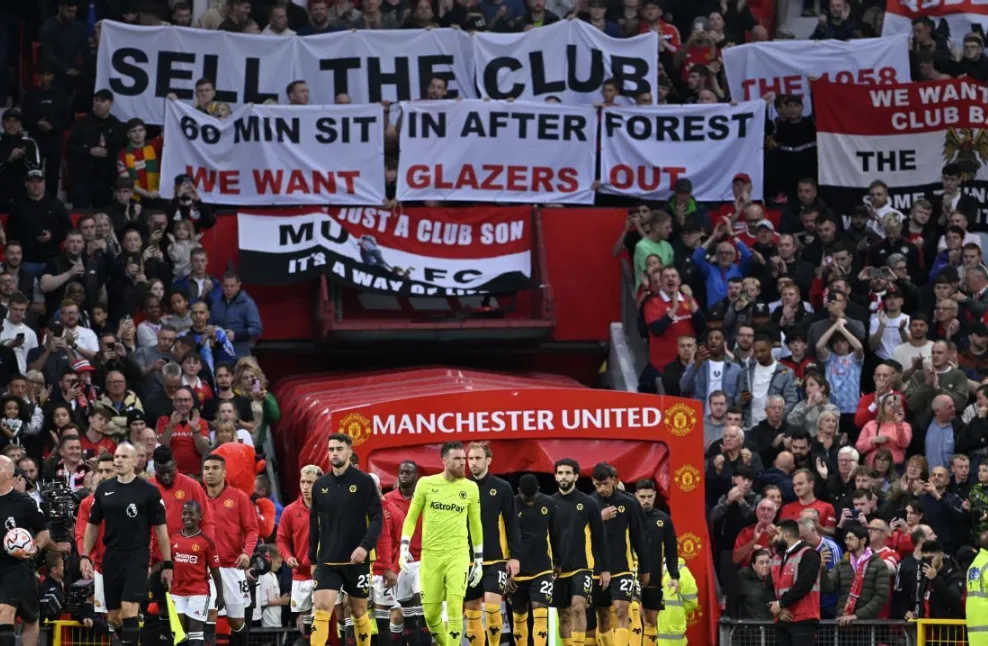
For nearly two decades, the Glazer family’s ownership of Manchester United has been a source of deep frustration for the club’s global fanbase. What started as a controversial leveraged buyout in 2005 has evolved into a protracted battle between supporters and the American owners, characterized by mounting debt, infrastructural neglect, and a perceived lack of sporting ambition. To truly understand the depth of this animosity, one must look beyond the matchday results and examine the structural and financial decisions that have reshaped one of football’s most iconic institutions.
The Roots of Resentment: The 2005 Leveraged Buyout
The Glazer family’s acquisition of Manchester United was unique and, for many fans, deeply troubling from the outset. Unlike previous ownership models where billionaires used their own wealth to purchase clubs, the Glazers executed a leveraged buyout. This meant they borrowed heavily—placing the debt onto the club itself.
How the Debt Was Structured
The Glazers used Manchester United‘s own assets and future revenue as collateral to secure loans from banks and hedge funds. By 2006, the club was saddled with over £500 million in debt, with annual interest payments that drained resources away from team investment and stadium maintenance.
Expert Insight from Dr. James Hartley, Sports Finance Analyst: “The leveraged buyout was a financial engineering tactic that transferred massive risk from the owners to the institution itself. United became a debt-fueled machine, and the fans immediately recognized that the money from ticket sales and merchandise was being used to service loans, not to improve the squad.”
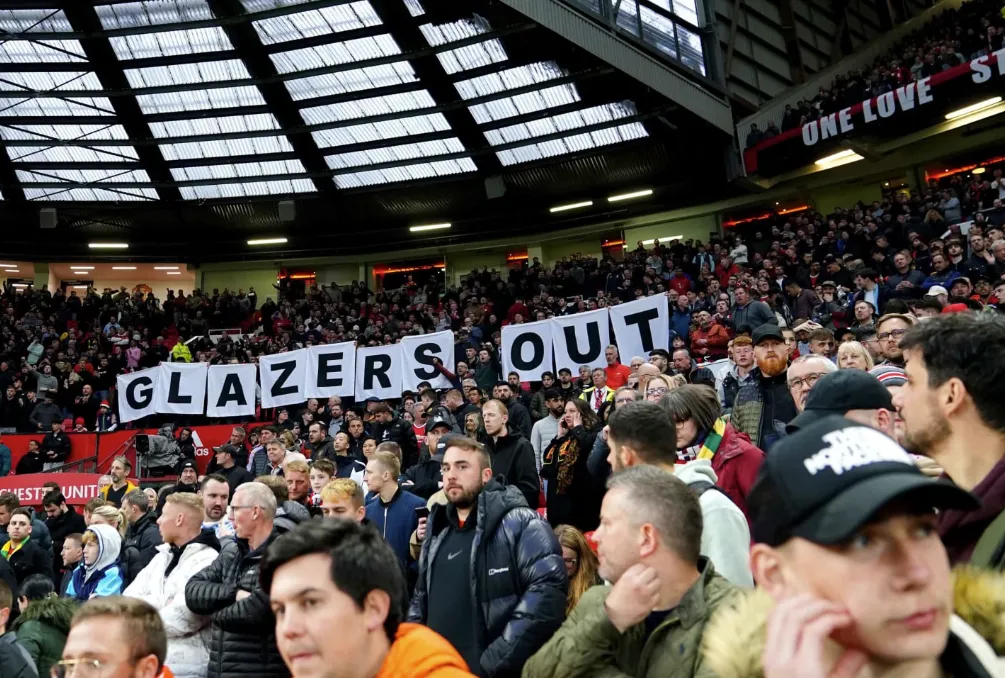
This financial burden created an immediate disconnect. Supporters who had grown accustomed to their club being one of the wealthiest in the world suddenly saw funds diverted to pay bankers rather than to sign top-tier talent or upgrade Old Trafford.
The Glazers’ Silent Strategy: A Lack of Engagement
Beyond the balance sheets, perhaps the most galling aspect for fans has been the Glazer family’s apparent disinterest in the club’s culture and day-to-day operations. The family rarely attends matches, communicates primarily through appointed executives, and has historically prioritized commercial growth over fan sentiment.
The Super League Betrayal
The breaking point for many came in April 2021 when Manchester United, along with five other Premier League clubs, announced their intention to join the breakaway European Super League. The proposal would have created a closed-shop competition, effectively ending the meritocratic principles of English football.
Fan Perspective from Marcus Chen, United We Stand fanzine editor: “When the Glazers signed United up for the Super League without consulting anyone at the club, it felt like the ultimate betrayal. We knew they saw us as customers, but this confirmed they had zero respect for the sport’s traditions or the fans who built this club.”
The Super League plans collapsed within 48 hours due to massive fan backlash and political pressure. However, the damage was done. The incident crystallized the belief that the Glazers viewed Manchester United solely as a revenue-generating asset rather than a sporting institution.
Financial Mismanagement and Reduced Ambition
Under the Glazers, transfer spending has been erratic and often reactive rather than strategic. Despite being one of the world’s richest clubs, United has frequently overpaid for players, signed them without clear tactical planning, and allowed the squad to plateau while rivals like Manchester City and Liverpool surged ahead.
Comparing Investment Across Eras
| Era | Net Transfer Spend (approx.) | Major Trophies Won |
| Ferguson Era (Pre-Glazer, 1992-2005) | €250 million | 14 |
| Glazer Era (2005-2020) | €1.2 billion | 11 |
| Post-Ferguson (2013-2023) Under Glazers | €950 million | 3 |
The numbers tell a stark story. Despite spending over a billion euros on transfers since 2013, the return on investment has been paltry. The club has won just three major domestic trophies since Sir Alex Ferguson’s retirement in 2013, while the stadium’s infrastructure has visibly aged.
Stadium Neglect
Old Trafford, once affectionately known as the “Theatre of Dreams,” has fallen behind modern standards. Reports of leaking roofs, outdated facilities, and deteriorating pitch conditions have become common. The Glazers have consistently deferred major renovations, while rivals like Tottenham and Arsenal have moved into state-of-the-art arenas.
Economic Drain on Fans
One of the most direct ways the Glazers have impacted supporters is through ever-increasing ticket prices and merchandise costs. While the club’s commercial revenue has exploded globally, local matchgoing fans have borne the brunt of the owners’ financial expectations.
Price Hikes vs. Value Perception
Since the Glazer takeover, season ticket prices have increased by over 50% in many sections of Old Trafford. Fans attending matches pay among the highest prices in the Premier League, yet they’ve witnessed declining on-pitch performance and an aging stadium. This disconnect between cost and experience has fueled growing resentment.
Fan Testimonial from Sarah Thompson, season ticket holder since 1998: “I’ve been coming to Old Trafford for over 20 years. The atmosphere used to be electric, but now it feels like we’re being milked for every penny. The club charges the same prices as when we were winning titles, but the quality of football and the matchday experience have declined significantly.”
The Rise of Active Protest Movements
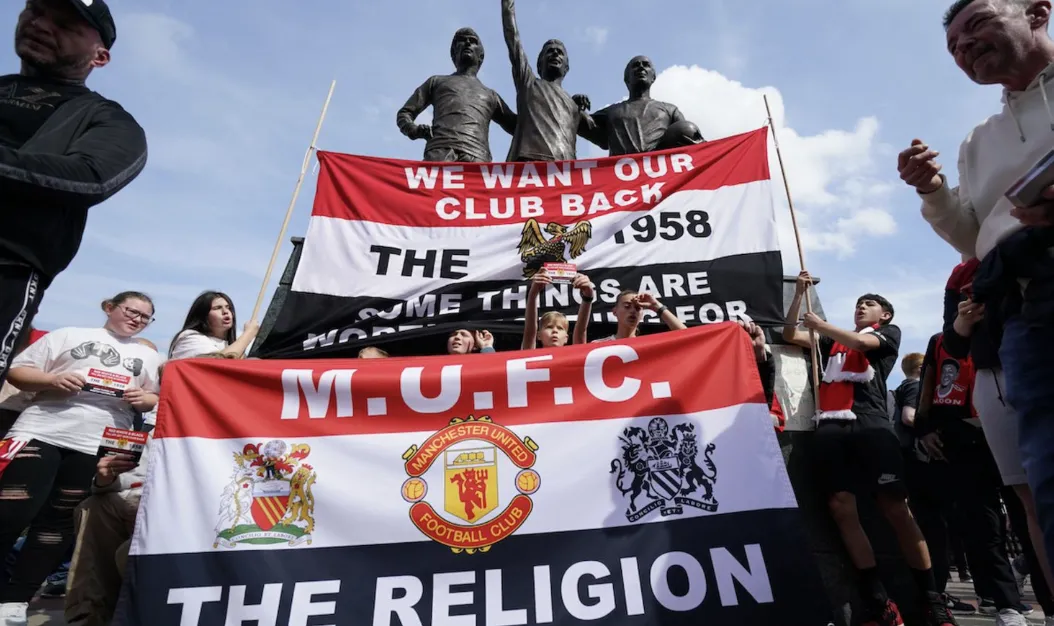
The frustration has crystallized into organized opposition. Groups like the Manchester United Supporters’ Trust (MUST) and the 1958 Movement have led coordinated protests, including marches before home matches, banners calling for the Glazers to “Go,” and social media campaigns targeting sponsors.
Security Implications and Matchday Tensions
The protests have occasionally spilled over into more confrontational territory. In May 2021, fans stormed Old Trafford ahead of a match against Liverpool, forcing the game to be postponed. The incident reflected the depth of anger among the fanbase, though it also drew criticism for crossing a line into hooliganism.
The situation has created a tense atmosphere around the club. Security at Old Trafford has been significantly enhanced, and police presence is now a regular feature at matches. This has fundamentally altered the fan experience, turning what should be a celebratory event into a site of potential confrontation.
The Glazers’ Response: A Slow Burn
The Glazer family has responded to fan protests with a combination of silence, token gestures, and, most recently, exploratory talks about a potential sale. In November 2022, the family announced they were “considering strategic alternatives,” including a possible sale of the club. This sparked renewed hope among fans that the Glazer era might finally be ending.
The Qatari and INEOS Bids
Two main bidders have emerged: a consortium led by Qatar’s Sheikh Jassim bin Hamad Al Thani, and Sir Jim Ratcliffe’s INEOS group. Both have submitted proposals that would see the Glazers either fully or partially exit. However, the process has been dragging on for months, with fans growing increasingly skeptical about whether a deal will actually materialize.
Crucial Update: As of mid-2023, the situation remains unresolved. Despite multiple deadlines, the Glazers have yet to make a definitive decision. Fans view this as yet another example of the family prioritizing their financial return over ending the uncertainty that continues to plague the club.
The Bigger Picture: American Ownership in English Football
The Manchester United situation is not unique. American investors have increasingly taken over Premier League clubs, bringing with them a business-first approach that often clashes with traditional football culture. The Glazers, along with the Kroenke family at Arsenal and John W. Henry at Liverpool, have all faced varying degrees of fan backlash.
Comparing American Ownership Models
| Club | Owner(s) | Fan Sentiment | Key Criticism |
| Manchester United | Glazer Family | High Opposition | Debt, lack of investment, Super League |
| Liverpool | Fenway Sports Group (John W. Henry) | Mixed | Super League involvement, but more community engagement |
| Arsenal | Stan Kroenke | Mixed | Profit-driven, but recent stadium investment |
| Aston Villa | Wes Edens & Nassef Sawiris | Generally Positive | Strategic investment, visible engagement |
The Glazers stand out for consistently having the highest level of fan opposition. This is partly due to the length of their tenure and the uniqueness of their leveraged buyout, but also because of their perceived failure to connect with the club’s identity.
What Would a Sale Mean for Manchester United?
If the Glazers do sell, the implications would be profound. A new owner would inherit both a global brand worth billions and a fanbase desperate for change. The immediate priorities would likely include:
Stadium Renovation or Relocation
Old Trafford requires significant investment, with estimates suggesting a complete rebuild could cost over £1 billion. A new owner would need to decide whether to renovate the current stadium or build a new one.
Squad Reconstruction
While recent spending has been high, the club’s recruitment structure has been chaotic. A new ownership group with a clear sporting vision would likely restructure the football operations, potentially bringing in a director of football and aligning recruitment with a consistent tactical philosophy.
Restoring Club Culture
Perhaps the most intangible but crucial task would be rebuilding the fractured relationship between the club and its fanbase. This would involve genuine community engagement, transparent communication, and a commitment to the club’s values.
The Waiting Game
For now, Manchester United supporters remain in a state of limbo. The protests continue, the uncertainty persists, and the Glazers’ endgame remains unclear. What is certain is that the current situation is unsustainable. The club’s on-pitch performances, the aging stadium, and the broken relationship with fans all point to a need for fundamental change.
Looking Ahead: Whether through a full sale or a partial partnership with a new investor, the Glazer era appears to be entering its final chapter. However, navigating the complexities of such a deal—particularly the family’s massive valuation expectations—means patience will be required.
For the fans who have spent 18 years protesting, writing banners, and organizing resistance, the hope is that the next chapter of Manchester United’s history will be written by owners who understand that the club’s true value lies not in its commercial arm, but in the passion of its supporters and the heritage of its football.
Final Thought from the Editor at Mostbet: While the Glazer saga continues to dominate headlines, Manchester United’s legacy as one of football’s most storied clubs remains intact. The current turmoil will eventually pass, and when it does, the focus must return to what matters most: the beautiful game, the players on the pitch, and the fans who fill the stands week after week. For the latest updates on this evolving story, keep following Mostbet for exclusive analysis and insider perspectives on the future of Old Trafford.
