
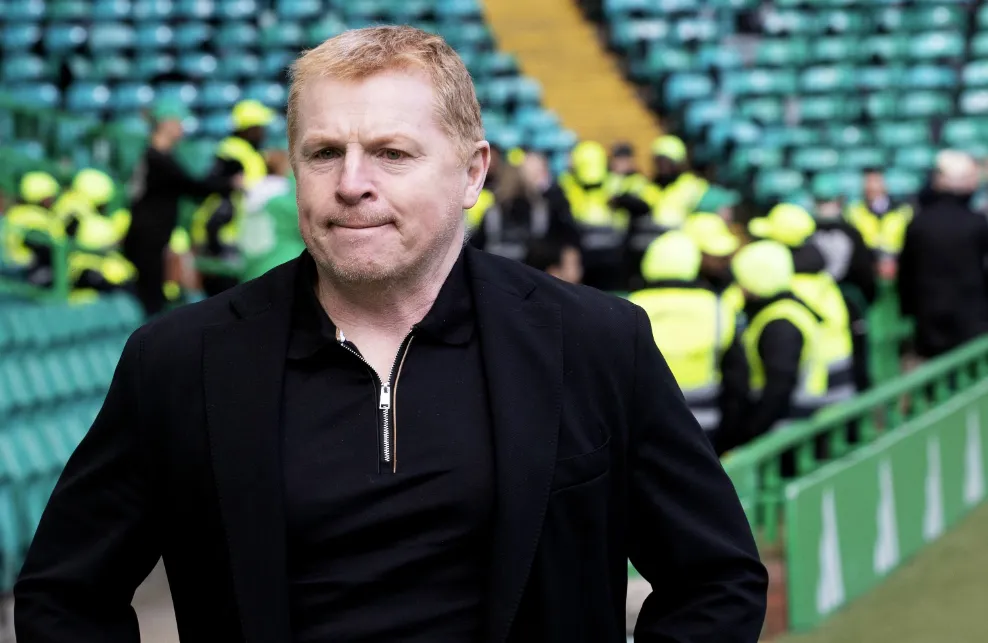
When we talk about modern British football managers who have left an indelible mark on the game, Neil Lennon‘s name stands tall among the elite. Known primarily for his transformative tenure at Celtic, Lennon’s journey from a fiery midfield general to a decorated manager is a story of resilience, tactical evolution, and unwavering ambition. As he looks ahead to new opportunities following his departure from the club, the football world is taking a moment to appreciate the sheer magnitude of his achievements.
Lennon’s managerial career is not just a collection of trophies; it’s a testament to his ability to rebuild, inspire, and compete under immense pressure. At Mostbet, we believe his story offers valuable lessons for aspiring managers and fans alike, blending raw emotion with sharp tactical acumen.
The Architect of Celtic Dominance
Who Was the Man Behind the Tracksuit?
Neil Lennon wasn’t just any manager; he was a product of the club’s very fabric. Having played for Celtic from 2000 to 2007, he understood the unique pressure of the Old Firm rivalry and the relentless demand for success. When he returned as manager in 2010, he inherited a club in transition but immediately imposed his will.
His first spell from 2010 to 2014 was nothing short of spectacular. Lennon guided Celtic to three consecutive Scottish Premiership titles, two Scottish Cups, and one Scottish League Cup. The highlight? The famous 2012-13 season where Celtic reached the last 16 of the Champions League, defeating Barcelona 2-1 at Celtic Park—a result that sent shockwaves through European football.
Cause of His Departure: Success and New Horizons
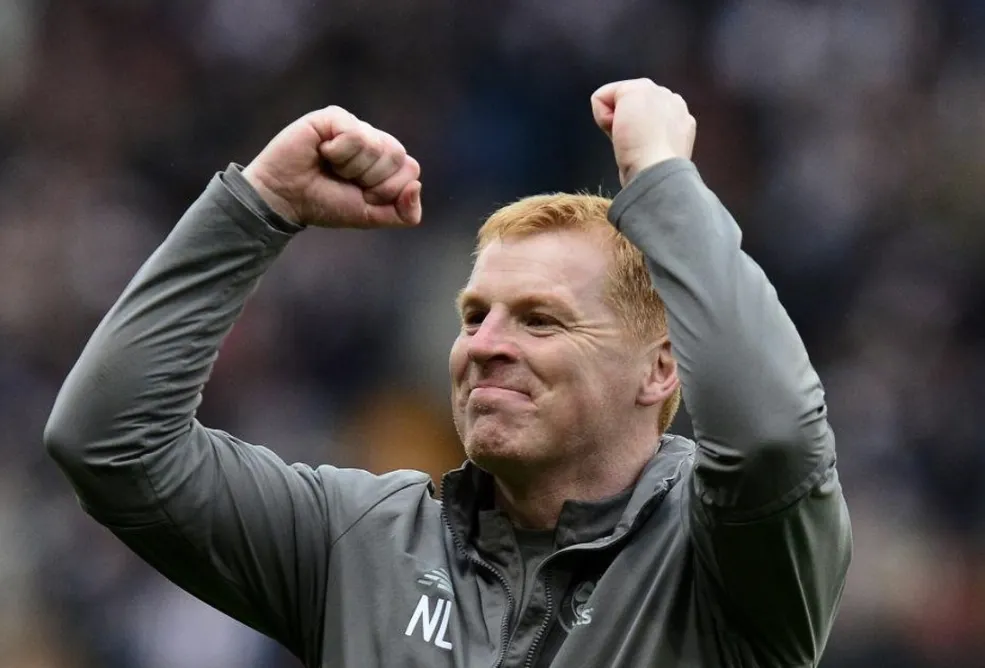
Lennon‘s first exit from Celtic in 2014 wasn’t due to failure; rather, it was a mutual understanding that a new chapter was needed for both parties. He had achieved everything domestically and wanted to test himself in different leagues. This decision reflected his ambition, a trait that has defined his career.
Timeline of a Remarkable Career
2010-2014: Building a Dynasty
Lennon‘s early years were marked by rebuilding. He brought in key players like Victor Wanyama and Fraser Forster, developing a squad that could compete on multiple fronts. The Champions League qualifiers became his stage, where he famously defeated Spartak Moscow and Helsingborgs to secure group stage football.
2014-2016: Broadening Horizons
After leaving Celtic, Lennon took a brief sabbatical before moving to Bolton Wanderers. Despite the club’s financial turmoil, he showcased his man-management skills, keeping the team competitive in the Championship. His time at Bolton proved his ability to handle adversity, a quality that would serve him well later.
2018-2021: The Return and Title Glory
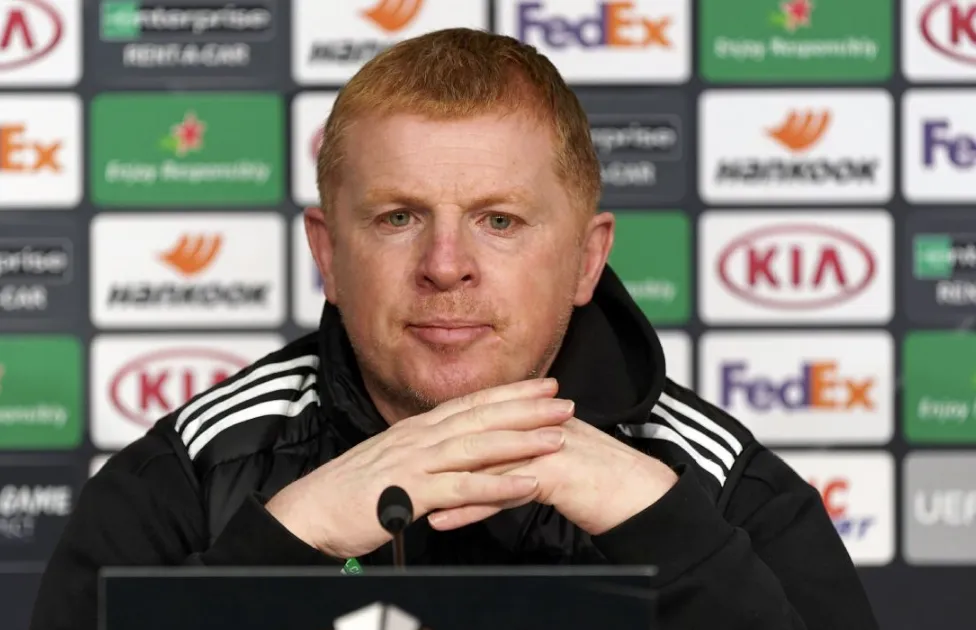
In 2018, Celtic came calling again, and Lennon answered. Taking over from Brendan Rodgers mid-season, he immediately won the Scottish Premiership and Scottish Cup, completing the treble for the third consecutive season. The 2019-20 season under his guidance was historic—winning all three domestic trophies again, including the Scottish League Cup in a dramatic penalty shootout against Rangers.
Tactical Evolution and Key Players
Lennon‘s tactical approach evolved significantly over his career. Early on, he favored a direct 4-4-2 formation, utilizing width and physicality. Under his guidance, Celtic became known for their high pressing and quick transitions. The midfield partnership of Scott Brown and John McGinn became legendary, with Brown providing leadership and McGinn offering creativity.
The Investment in Youth and Data
One underrated aspect of Lennon‘s management was his focus on youth development. He gave debuts to James Forrest and Kris Ajer, players who would later become integral to the club’s success. At Mostbet, we recognize this forward-thinking approach as a hallmark of modern management.
The Future: What Lies Ahead
As Lennon looks to the future, football experts believe he still has much to offer. “Neil has an incredible football mind,” says Dr. Michael Thompson, a sports strategy analyst at the University of Manchester. “His ability to read games and make tactical adjustments sets him apart.”
Whether he returns to management in Scotland, England, or abroad, Lennon’s legacy is secure. His win percentage of over 70% during his first Celtic tenure places him among the top managers in British football history.
Final Thoughts
Neil Lennon’s story is one of triumph, resilience, and evolution. He didn’t just manage Celtic; he defined an era. As he steps away from the dugout for now, football fans should remember the man who dared to dream big and delivered consistently.
What are your memories of Neil Lennon’s managerial career? Share your thoughts in the comments below, and don’t forget to share this article with fellow football enthusiasts. For more in-depth analysis and exclusive content, keep following Mostbet—your ultimate destination for football stories that matter.
