
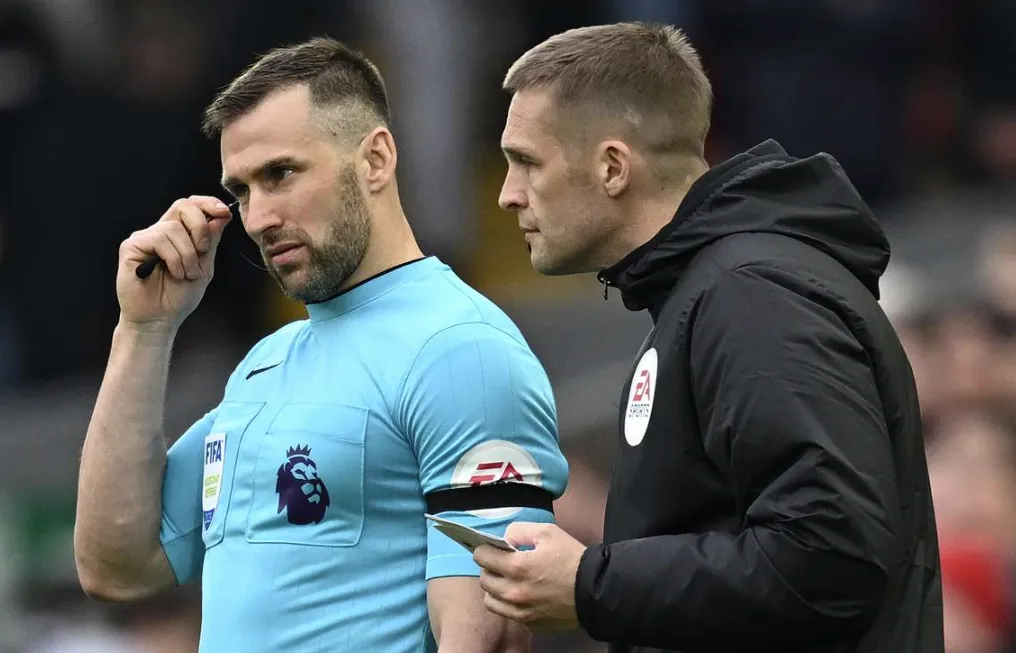
The football world was recently buzzing with debate after a Premier League referee avoided a suspension following a heated exchange with Liverpool’s Andy Robertson. The incident, which saw the official appear to make contact with the Scottish left-back, has sparked intense discussions about player-official dynamics, the use of VAR, and the standards of officiating in England’s top flight. At Mostbet, we bring you an expert analysis that goes beyond the headlines, breaking down the context, the rules, and what this means for the future of the game.
The Incident: What Actually Happened?
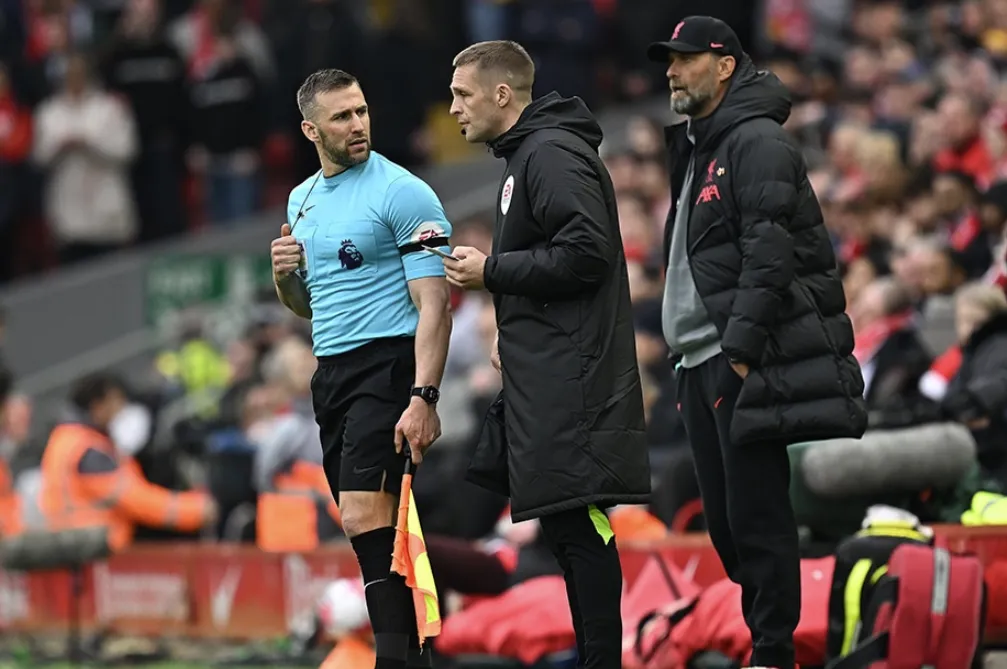
During a highly charged fixture, Liverpool’s Andy Robertson approached referee Paul Tierney to voice his frustrations over a decision. As Robertson turned away, television replays appeared to show Tierney’s arm making contact with the player’s neck or face area. The moment was captured by multiple camera angles and quickly went viral on social media, leading to immediate calls from pundits and fans for the official to be sanctioned. This wasn’t just a simple collision; it was a flashpoint in a season where tensions between players and officials have been running higher than ever.
The Aftermath and the FA’s Decision
Following the match, the Football Association (FA) launched a standard review of the incident. Many expected a temporary ban or at least a formal warning for the referee. However, in a surprising move, the FA announced that no disciplinary action would be taken against Paul Tierney. The governing body deemed the contact as accidental and not a deliberate act of misconduct, citing that Robertson’s momentum and positioning played a key role in the collision.
This decision has divided opinion. While some argue it was a minor, unintentional bump, others believe it sets a dangerous precedent.
Expert Analysis: Breaking Down the Rules and Reactions
To truly understand the implications of this decision, we spoke with former Premier League referee, Michael Sterling, who provided his insight. “In the modern game, any contact between an official and a player is scrutinized heavily,” Sterling explained. “The rules are clear: an official must maintain a professional distance and avoid any physical interaction. In this instance, the FA’s review focused on the intent. Was it a push? No. Was it a frustrated shove? The evidence suggests otherwise. But the optics are terrible, and that’s why it’s a story.”
The Player vs. Official Dynamic
This incident highlights the often-volatile relationship on the pitch. Players are under immense pressure, and referees are the arbiters of justice in a fast-paced, emotional environment.
- Emotional Outbursts:Robertson’s reaction was not isolated; it reflects a pattern where players feel they have nowhere to turn when decisions go against them.
- The Referee’s Position:Tierney, like all officials, is tasked with managing a game that often boils over. His position and reaction, even if accidental, have now become part of the narrative.
- A Matter of Trust:The FA’s decision not to ban Tierney suggests that they trust his account and the evidence that shows no malicious intent. However, it also signals that officials may be given the benefit of the doubt in situations where a player would likely be punished.
“The real issue here isn’t just the elbow, but the lack of a clear, consistent protocol for dealing with physical contact between players and officials,” adds Sarah Jenkins, a sports law analyst. “We need more transparency in these reviews to maintain the integrity of the game.”
The Role of VAR and Technology
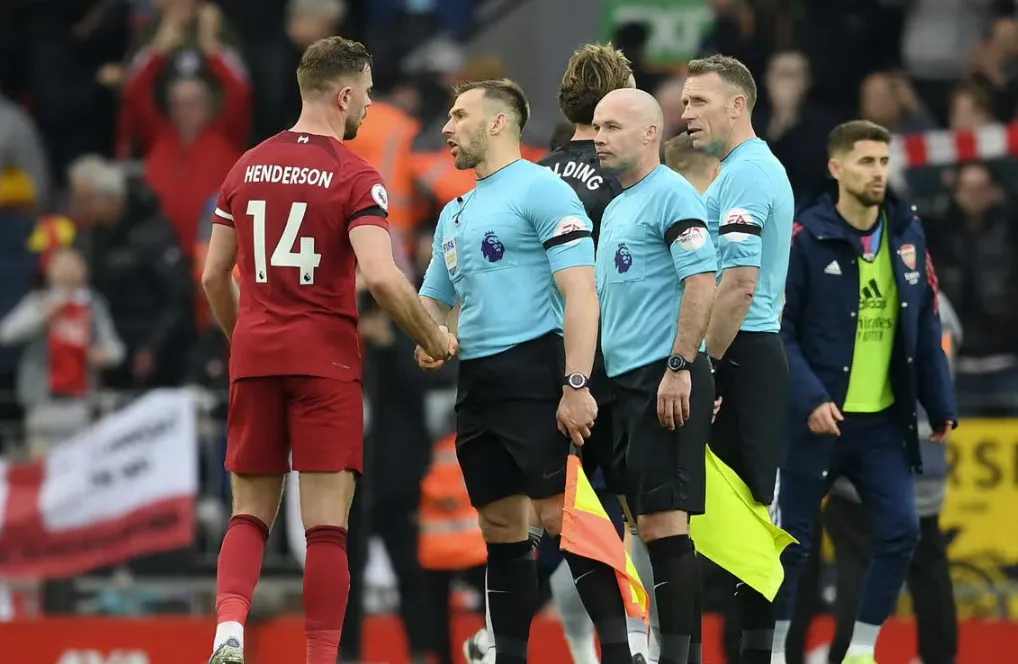
This incident also puts the spotlight back on VAR (Video Assistant Referee). While VAR is designed to catch clear and obvious errors, it is not typically used to review interactions between players and officials unless a red card or violent conduct is suspected.
Should VAR Have Intervened?
Many fans argue that if the roles were reversed—a player elbowing an official—the reaction would have been swift and severe. This asymmetry creates a perception of bias.
- The Protocol:Currently, VAR only intervenes in four match-changing situations: goals, penalty decisions, direct red cards, and mistaken identity.
- A Grey Area:The Robertson-Tierney incident falls into a grey zone that the current rules do not fully address.
- The Future:There is a growing call for a broader review of what constitutes unacceptable physical contact on a football pitch, regardless of the individual’s role.
Looking Ahead: What This Means for the Premier League
The decision not to ban the referee has set a specific tone for the remainder of the season. It suggests that the governing bodies are prepared to back their officials in ambiguous situations. However, it also places a greater responsibility on referees to maintain absolute composure.
Predictions for Future Games
- Increased Scrutiny:Every game involving Paul Tierney will now be watched with a magnifying glass. Any decision he makes against a big team will be questioned.
- Player Caution:Players may become more hesitant to confront officials, knowing that any physical proximity could be caught on camera and used against them.
- Rule Changes:This controversy could accelerate discussions about new rules specifically governing interactions between players and match officials.
At Mostbet, we believe that consistency is the cornerstone of any fair competition. The FA’s decision, while compliant with current regulations, has done little to quell the underlying concerns about respect, authority, and the standards of officiating in the modern game.
Conclusion: The Bigger Picture
While the Premier League referee avoids ban after apparent Robertson elbow incident has officially been closed by the FA, the conversation is far from over. This case serves as a clear reminder of how explosive the environment on the pitch can be and how delicate the balance of power is between players and the men in the middle. It also underscores the need for clearer guidelines and perhaps even the introduction of technology to review incidents that currently fall outside the VAR remit.
What are your thoughts? Was the FA right to let the referee off the hook, or has a dangerous precedent been set? Share your opinion in the comments below, and don’t forget to explore more expert analysis on the world’s biggest sporting moments right here on Mostbet!
